Creative research, evaluation and storytelling for the Barbican’s community programmes in the City and East London
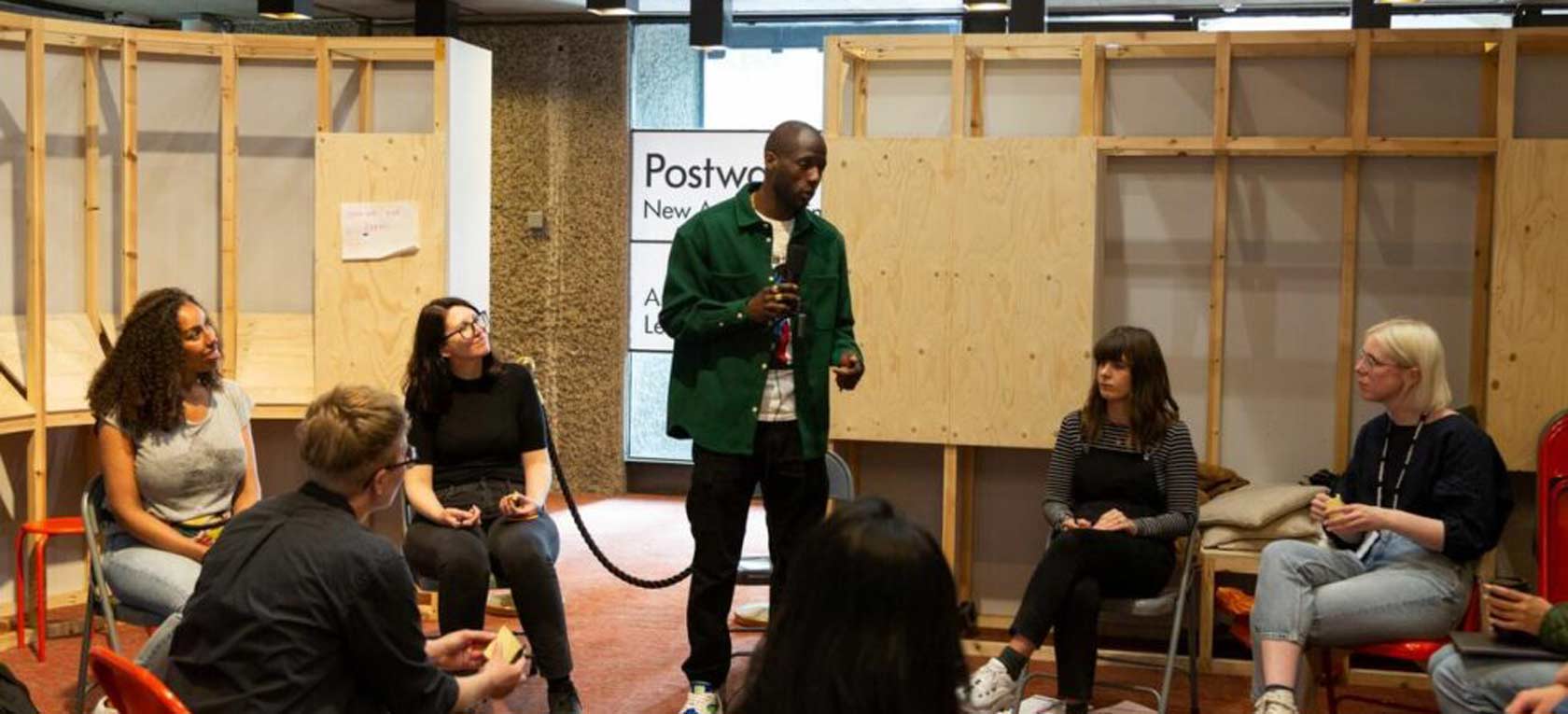
Research activities have included:
- Overseeing participatory, community-led storytelling approaches involving the recruitment and training of local story collectors
- Community reflection sessions and surveys
- Depth interviews and conversations with staff members
- Facilitating internal and external ‘story discussion days’
- Story and narrative analysis, leading to storytelling reports and new theories of change.
We also supported a parallel evaluation of the Leytonstone Loves Film Festival (see case study here) using a creative and community-led storytelling approach involving LLF filmmakers, exhibitors and creatives (see case study here). Leytonstone Loves Film celebrates the magic of the movies and the love of stories that help us feel more connected.
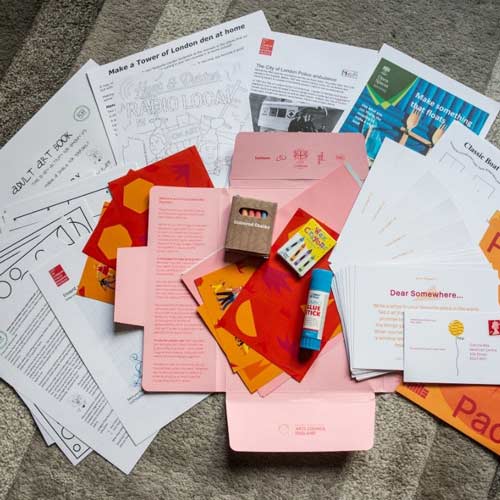
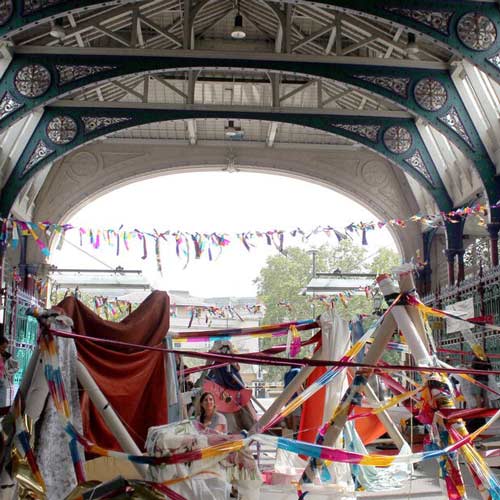
We have provided ongoing support to the team, helping to build capacity in participatory storytelling, and co-ordinating their evaluations of the Community Impact Collective and the latest iterations of the Imagine Fund, this time focusing on listening to the experiences and perspectives of the grant’s panel members. The work has helped the team develop the next iterations of the CIC and Imagine Fund, build capacity in the team, and grow a network of trained artists, creatives and community members with skills in storytelling.
More recently, we have been pleased to work with Headway East London to deliver skills training in interviewing and story collecting, to enable a story-led evaluation of differently various, Headway and the Barbican’s brilliant, multifaceted exhibition and public programme in the Curve, which shared perspectives and open conversations about brain injury and invited visitors to challenge views on who gets to make and present artwork in institutions like the Barbican. The nine-day takeover included stories about brain injury through video, audio and print material, alongside unique artwork.
You can find out more about the Barbican’s Communities and Neighbourhoods team here: https://www.barbican.org.uk/take-part/communities-neighbourhoods
“I’ve really loved working with you, and massively appreciate your calm, rigorous, thoughtful contributions to our work and progress.” ~ Rachel Smith, then Senior Producer, Barbican Communities & Neighbourhoods Team
(Picture credit: The Barbican, some of the 2022 Community Impact Collective Cohort Members are pictured).
- Build reflection and co-design sessions into your evaluation to get an in-depth understanding of the context and to shape the research. Involve people early, even if the approach isn’t quite shaped out.
- Allow ample time and resources for recruiting, supporting, and training citizen researchers and story collectors. Build relationships with citizen researchers and story collectors. Stories are most meaningful when they are closely tied to the individual or collective experiences of the story collector.
- Give careful consideration to the matching-up of citizen researchers and story collectors with storytellers and interviewees. Think about areas of shared interest as well as interesting contrasting perspectives that could come together.
- A writer is a key role, and it’s helpful if that person can bridge research and storytelling with an eye for impact and learning, as well as being able to craft a narrative write-up.
- Bring people back together again to discuss the narratives to identify shared themes and learning.
- It has been striking to us how the stories not only give a rich insight into people’s experiences of programmes and exhibitions but also paint a rich portraiture of people’s lives, contexts and the places and spaces that matter to them. Your research can be used formatively to shape future work and activities and build a picture of interests, aspirations and priorities in a local area